live casino crypto — what you need to know 2026
live casino crypto are reshaping the way online gambling operates, with blockchain ensuring game integrity. The gradual integration of live crypto casino into mainstream platforms indicates a permanent trend.
See also:
- Why live crypto casino Are Perfect for Beginners
- A Beginner’s Guide to live crypto blackjack
- Crypto Casino Bonus Terms You Should Know
- How to Find the Best live crypto casino vs virtual for You
- A Glimpse into the World of Crypto Gambling
- Are You Missing Out on live crypto blackjack?
- Crypto Slots with the Best RTP
- Understanding live crypto blackjack in Depth
- How to Gamble Responsibly with Cryptocurrency
Why live crypto casino Are Perfect for Beginners
live casino crypto have fundamentally reshaped the online gambling landscape by integrating blockchain technology flat into gameplay and transactions. By 2026, these platforms supply provably fair gaming, instant withdrawals, and enhanced privacy, appealing to a new generation of tech-savvy players. For those exploring this dynamic sector, understanding the role of live crypto blackjack is crucial for navigating the evolving ecosystem of digital assets and decentralized betting options. Unlike traditional digital casinos that rely on centralized servers and opaque random keep down generators, blockchain-based gambling platforms record every wager and outcome on a public leger, ensuring transparency and corporate trust. Players can verify the fairness of each offering through cryptographic proofs, eliminating concerns about rigged outcomes. Additionally, the use of smart contracts automates payouts, reducing the need for manual processing and minimizing delays. This technological work shift has also introduced new financial models, such as tokenized rewards and liquidity pools, which allow users to earn passive income through staking or providing liquidity to betting markets. The anonymity afforded by cryptocurrencies attracts users in jurisdictions with strict gambling regulations, though it also raises compliance challenges for operators. As regulatory frameworks evolve, platforms increasingly implement KYC procedures while maintaining pseudonymity. The integration of non-fungible tokens (NFTs) adds another layer, enabling unique in-game assets that can be traded across platforms. With the rise of decentralized autonomous organizations (DAOs), some gambling sites now permit token holders to vote on house rules or profit distribution. These innovations have spurred competition, driving downwardly fees and improving user experience. However, volatility in cryptocurrency prices remains a risk, prompting some platforms to offer stablecoin options. The future of live casino crypto likely involves cross-chain interoperability, allowing seamless betting across different blockchain networks. For investors, identifying projects with strong biotic community governance and sustainable tokenomics is key. Meanwhile, live crypto blackjack continues to serve as a gateway for mainstream acceptation, bridging traditional fiat systems with decentralized ecosystems. As the industry matures, collaborations with esports leagues and virtual reality developers could further expand the marketplace.
A Beginner’s Guide to live crypto blackjack
Supported Cryptocurrencies and Payment Methods
Crypto casinos accept a variety of digital currencies, with Bitcoin (BTC) and Ethereum (ETH) being the most widely supported. Many platforms also include Litecoin (LTC), Ripple (XRP), and Tether (USDT) for stablecoin transactions. The choice of coin often affects transaction speed: Bitcoin may take 10-30 minutes for verification, while Ethereum and Litecoin are faster, typically within transactions. Deposits are made by transferring pecuniary resource from a personal wallet to the casino’s provided address, often with no fees from the casino side. Withdrawals are similarly straightforward, with the casino sending winnings back to your wallet. Some sites also support fiat-to-crypto conversions, allowing you to deposit in pounds sterling which are automatically swapped for crypto. It’s crucial to use a secure wallet, such as a hardware or reputable software wallet, to safeguard your monetary resource. Blockchain technology ensures that all transactions are recorded on a public ledger, providing transparency and immutability, though your indistinguishability remains pseudonymous unless the casino requires KYC verification.
Licensing, Security, and Anonymity Considerations
For UK players, the most relevant licence is from the UK Gambling Commission (UKGC), which enforces strict standards for fairness, player trade protection, and anti-money laundering. While many crypto casinos operate under licences from jurisdictions like Curacao, UKGC-licensed sites must hold fast to strict security protocols, including encryption and regular audits. Anonymity varies: some crypto casinos allow anonymous play with only when an email call, while others call for full KYC for withdrawals, especially under UKGC rules. Security measures features such as two-factor authentication (2FA), cold-blooded storage for funds, and SSL encryption are standard on reputable platforms. Players should e’er verify a casino’s licence and read terms regarding transaction limits and verification procedures.
Crypto Casino Bonus Terms You Should Know
- 100 free spins on signup
- $500 deposit bonus
- 25x turnover requirement
- 50x playthrough in 7 days
How to Find the Best live crypto casino vs virtual for You
Supported Cryptocurrencies and Payment Methods
Crypto casinos accept a variety of digital currencies, with Bitcoin (BTC) and Ethereum (ETH) being the most widely supported. Many platforms also include Litecoin (LTC), Burble (XRP), and Tether (USDT) for stablecoin transactions. The choice of coin often affects transaction swiftness: Bitcoin may take 10-30 transactions for confirmation, while Ethereum and Litecoin are faster, typically within proceedings. Deposits are made by transferring funds from a personal billfold to the casino’s provided come up to, often with no fees from the casino position. Withdrawals are similarly straightforward, with the casino sending winnings back to your wallet. Some sites also back fiat-to-crypto conversions, allowing you to deposit in pounds sterling which are automatically swapped for crypto. It’s crucial to use a secure wallet, such as a ironware or reputable software notecase, to safeguard your funds. Blockchain technology ensures that all transactions are recorded on a public ledger, providing transparency and immutability, though your identity remains pseudonymous unless the casino requires KYC verification.
Licensing, Security, and Anonymity Considerations
For UK players, the most relevant licence is from the UK Gambling Commission (UKGC), which enforces strict standards for fairness, user protection, and anti-money laundering. While many crypto casinos operate under licences from jurisdictions ilk Curacao, UKGC-licensed sites must bind to rigorous security protocols, including encryption and steady audits. Anonymity varies: some crypto casinos allow anonymous play with only an email address, while others necessitate full KYC for withdrawals, especially under UKGC rules. Security features such as two-factor certification (2FA), cold storage for funds, and SSL encryption are standard on reputable platforms. Players should always verify a casino’s licence and read terms regarding transaction limits and verification procedures.
Our guide to live casino crypto covers game selection and payout speed.
A Glimpse into the World of Crypto Gambling
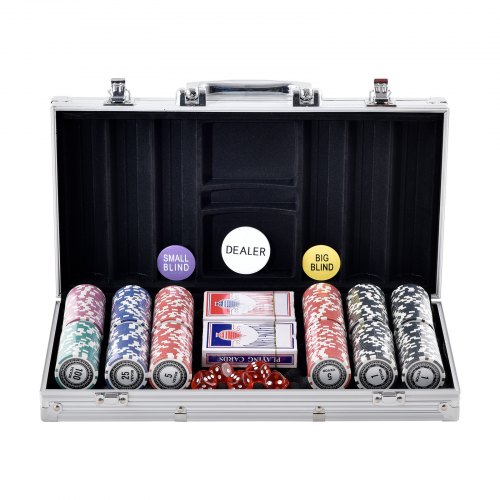
Are You Missing Out on live crypto blackjack?
Supported Cryptocurrencies and Wallets
Crypto casinos in the UK support a wide array of digital currencies, with Bitcoin (BTC), Ethereum (ETH), Litecoin (LTC), and Tether (USDT) being the most common. Many platforms also take on emerging altcoins similar Ripple (XRP) and Dogecoin (DOGE). To deposit, players need a personal cryptocurrency wallet—either a ironware pocketbook same Ledger or a software wallet such as MetaMask or Trust Wallet. Transactions occur via blockchain networks: for instance, Bitcoin uses its own blockchain, while Ethereum-based tokens rely on the ERC-20 criterion. This decentralised approaching means funds move directly from the customer’s wallet to the casino’s address, bypassing traditional banking intermediaries. Consequently, deposits are often credited within transactions, though check times vary by web—Bitcoin typically takes 10–30 minutes, whereas Litecoin or Solana can locate in seconds. Withdrawals follow the same cognitive process, with the casino sending crypto flat to the punter’s wallet. This peer-to-peer mechanism not only accelerates transactions but also reduces reliance on banks, which can be particularly favourable for UK players seeking faster access to their winnings.
Anonymity and Privacy Considerations
One of the main attractions of crypto casinos is the enhanced privacy they offer. Unlike traditional online casinos that require extensive personal details and bank account information, crypto sites often mapping with just an email address and a wallet ID. Transactions are recorded on public blockchains, but they are pseudonymous—meaning the wallet addresses are not directly linked to a player’s real-world identity element. However, this anonymity is not absolute; UK-licensed crypto casinos must allay comply with anti-money laundering (AML) regulations, which may involve verifying identity for large withdrawals or suspicious activity. Players should also be aware that blockchain analysis can sometimes trace transactions dorsum to an individual, especially if they use centralised exchanges to purchase crypto. For heightened privacy, some players opt for privacy-focused coins the likes of Monero (XMR) or use mixers, though these may not be accepted by all casinos. Ultimately, while crypto provides a degree of anonymity, it is not a guarantee of complete invisibility, and players should interpret the equipoise between privacy and regulatory compliance.
Speed and Efficiency of Blockchain Payments
The speed of blockchain payments is a defining advantage of crypto casinos. Traditional banking methods such as bank transfers or credit card deposits can take several days to process, especially for withdrawals. In contrast, cryptocurrency transactions are typically processed within minutes, thanks to the decentralised nature of blockchain networks. Bitcoin transactions, for instance, are confirmed in most 10–30 minutes, while Ethereum’s network handles transfers in around 15 seconds. Newer blockchains like Solana or Polygon can achieve finality in under a second, making them ideal for instant gaming deposits. This efficiency is particularly beneficial for UK players who need to start playing without delay or enter their win quickly. Additionally, because there are no intermediary banks, dealing fees are often lower than traditional payment methods, though they can fortify during network congestion. Some casinos also offer zero-fee deposits for certain cryptocurrencies.
online roulette casino live 2026 — live roulette online uk
A trustworthy platform for live casino crypto uses SSL encryption.
Crypto Slots with the Best RTP
| Be known as | Biggest win | RTP | Year | Provider |
|---|---|---|---|---|
| Whistler Win | 387,000 | 200% | 2023 | Blueprint Gaming |
| 888 Casino | £2,800 | 95.6% | 2021 | Yggdrasil |
| Platinum Casino | 56,300 | 300 | 2025 | Various |
| Fruit Frenzy | 8,500 $ | 50% | 2024 | Quickspin |
| Starburst | 5,000 | 150 | 2023 | Established Developer |
Understanding live crypto blackjack in Depth
What are cryptocurrency casinos and how do they differ from traditional online casinos?
Cryptocurrency casinos accept digital currencies like Bitcoin, Ethereum, and Litecoin for deposits and withdrawals, offering faster transactions and greater anonymity compared to fiat-based casinos.
Which cryptocurrencies are commonly supported at crypto casinos?
Most crypto casinos support Bitcoin, Ethereum, Litecoin, Bitcoin Cash, and stablecoins like USDT, with some also accepting altcoins or privacy coins.
How do blockchain payments enhance dealing speed and surety?
Blockchain payments physical process instantly or within minutes, bypassing banks, and are secured by cryptographic verification, reducing dupery risk.
What anonymity considerations should players be aware of?
While crypto casinos often require only when an email for registration, withdrawals still depend on pocketbook addresses; full anonymity may be special by licensing and KYC policies.
Are crypto casinos licensed and regulated, and how can players verify security?
Reputable crypto casinos hold licenses from jurisdictions like the local gambling regulator and use SSL encryption, provably fair algorithms, and regular audits to make sure certificate.
How to Gamble Responsibly with Cryptocurrency
Gambling is strictly for adults aged 18 and over. All UK-licensed casinos are regulated by the Gambling Commission (UKGC) and must offer access to GAMSTOP, the national self-exclusion scheme. If you need support, GamCare and BeGambleAware give free advice, and the National Gambling Helpline is available 24/7 on 0808 8020 133. E’er set deposit and time limits before you play, and remember that gambling should be for entertainment only—never chase losses. Play responsibly.
bgaming free slots 2026 — bgaming free slot play